 admin
admin 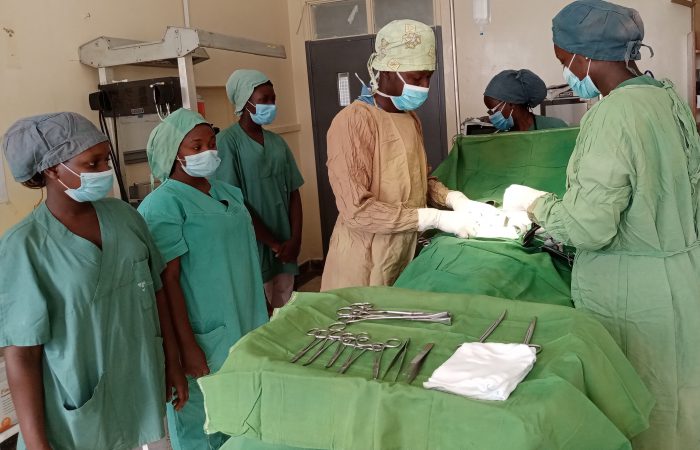
Students preparing for healthcare careers need more than classroom theory. They need guided practical learning that builds confidence, accuracy and professional discipline over time.
That is why practicals matter so much in medical education. Skills demonstrations, supervised exercises, simulated routines and structured clinical exposure help students connect knowledge with action. They also make it easier for learners to understand teamwork, patient safety, communication and the pace of real care environments.
At college level, practical training also helps students discover where they are strongest. Some learn best by doing. Others grow through observation and reflection. A strong programme creates room for both while still keeping standards high.
For prospective students and families, practical training is one of the clearest indicators that a programme is preparing learners for real work. It is not just an added benefit. It is part of what makes healthcare education credible and effective.